
Automated parking systems for shopping mall and supermarkets
How much does parking affect your shopping mall’s sales?
In the shopping and retail sectors, you need to manage high volumes, established habits, and unauthorized access every day, without slowing down customer flow. Unmanaged parking creates waiting times, frustration, and lost customers.
Choose youPark and transform your parking area with a modular automated system that adapts to the specific needs of your supermarket, improving internal operations and the customer experience.

Enhance the shopping experience with a stress‑free parking area
Coordina ingressi multiutenza dedicati a personale, pazienti e mezzi di servizio
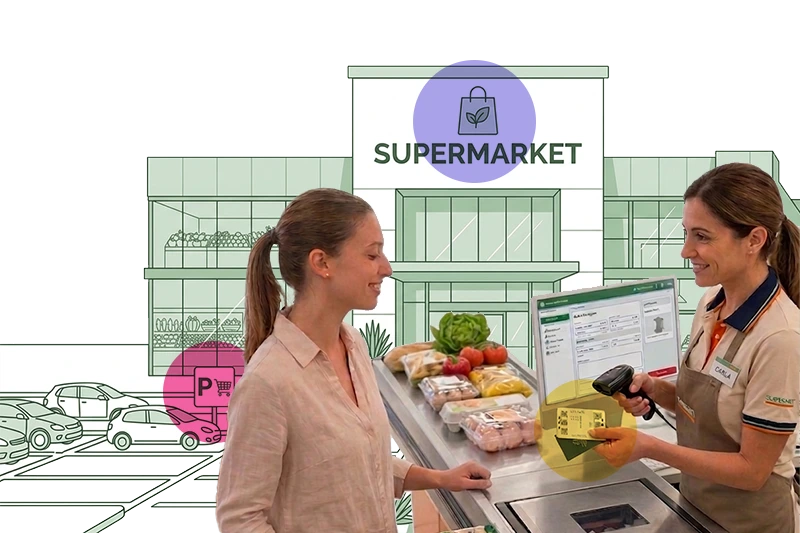
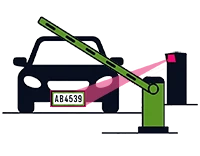
Regulation of parking and new revenue streams for retail
Gestisci picchi e flussi sanitari senza stress
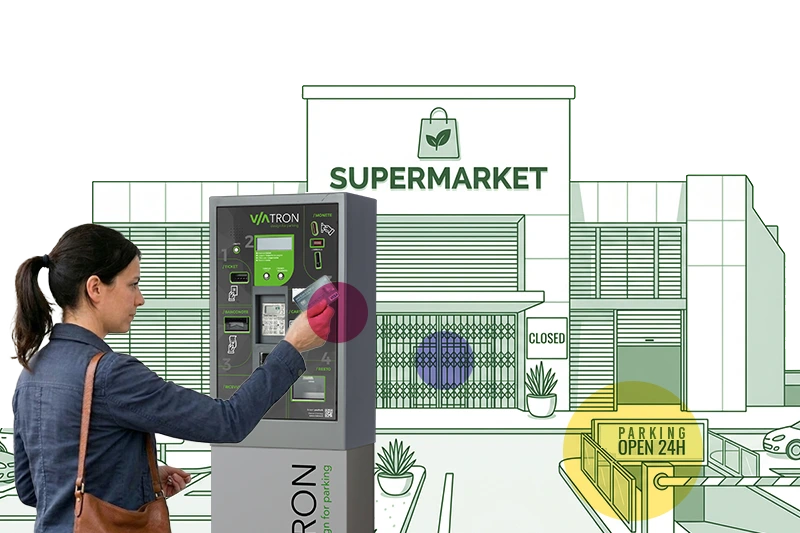
Manage heterogeneous user groups for large‑scale retail distribution
Trasforma il tuo parcheggio in opportunità per aumentare le tue entrate
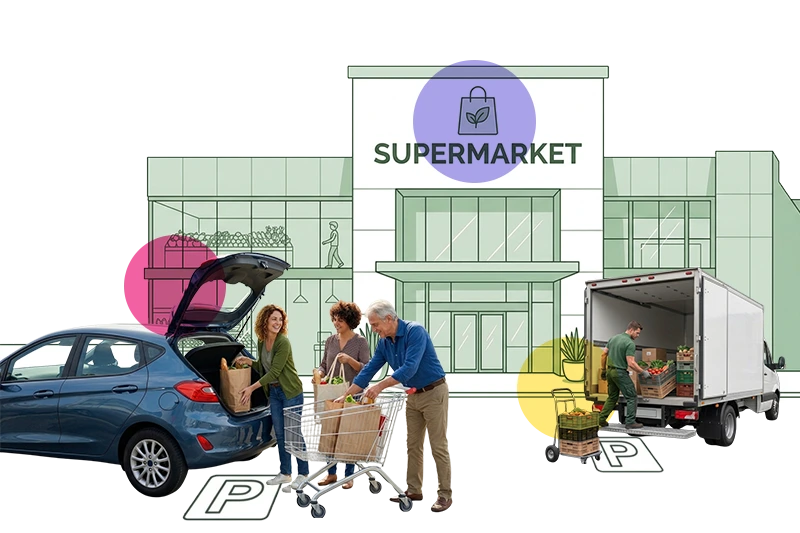
Customize the modular system according to your supermarket
Fai evolvere il tuo parcheggio con un impianto modulare e su misura
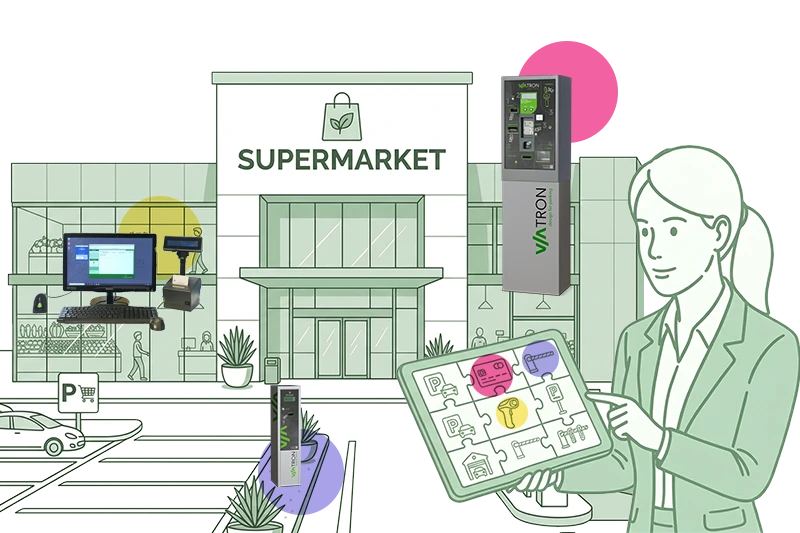


sustainable and profitable parking operations
Operational management of parking for supermarkets and shopping galleries
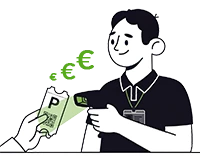
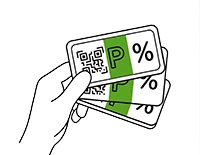
Autonomous validation for each retailer and affiliation between outlets
Each participating store can manage its own validation rules. The most requested mode is for retailers to affiliate with the parking operator, who bills the parking and offers the service to customers; in some cases several stores invest together, sharing the system and monitoring usage for each individual outlet.
Low initial costs and operational leasing.
For many retail businesses, operational leasing allows them to immediately launch a scalable parking system without large upfront investments. At the end of the lease period, the product can be purchased outright, offering the possibility to turn the parking solution into a permanent investment.
